







Search Results for: Ice Amount

A Practical Guide to Making Iced Pour-Over Coffee at Home: Ice-to-Hot-Water Ratios, Grind Size Adjustments, and Key Stirring Techniques
Iced pour-over is not simply pouring hot coffee over ice; rather, it is an extraction method in which ice rapidly cools and moderately dilutes the coffee liquid, also known as "flash-chilled pour-over." To make a cup that is both refreshingly cold and rich in aromatic layers, you need to readjust parameters such as coffee dose, water volume, ice amount, grind size, water temperature, and timing. This article focuses on ice usage and application, the coffee-to-ice-to-water ratio, grind size adjustments, and two operational approaches—small-stream分段 and the stirring method—to help coffee enthusiasts make a balanced iced pour-over at home. It also provides specific references based on Front Street Coffee's commonly used parameters. [more…]

Complete Guide to Ice Amounts for Iced Coffee: Ice Ratios and Tips for Espresso, Pour-Over, and Cold Brew
As temperatures climb, iced coffee becomes a daily choice for many, but the key to a delicious cup of iced coffee lies in precisely controlling the amount of ice used. Ice in coffee not only handles the cooling task, but also locks in aroma and slows the rise in temperature, making the refreshing taste last longer. However, different extraction methods and coffee beans of different roast levels have vastly different ice needs. This article starts from the role and quality requirements of ice, combines the specific scenarios of espresso, pour-over coffee, and cold brew ice drip, and analyzes in detail the logic for adjusting ice ratios. Using beans such as Front Street Classic Blend, Grana Geisha SOE, and Fruit Ding Ding as examples, it provides actionable home ice solutions to help you easily make a cup of iced coffee with just the right strength, flavor, and chill. [more…]

How to determine the ice amount and coffee-to-water ratio for iced pour-over coffee? Recommended beans suitable for making iced coffee
On a hot day, a glass of iced pour-over coffee is refreshing and invigorating. However, many people encounter two core questions when making it at home: how much coffee-to-water ratio and how much ice should be used? Does adding ice first versus adding ice later affect the flavor? This article addresses these two questions, first discussing the types of coffee beans suitable for iced pour-over and Front Street Coffee's specific bean list, then explaining in detail the reference ratios of coffee, water, and ice, as well as the subtle differences in taste between adding ice first and adding ice later. Finally, it supplements two rapid cooling methods that do not dilute the concentration, helping you make a cup of iced coffee that has both aroma and refreshingness. [more…]
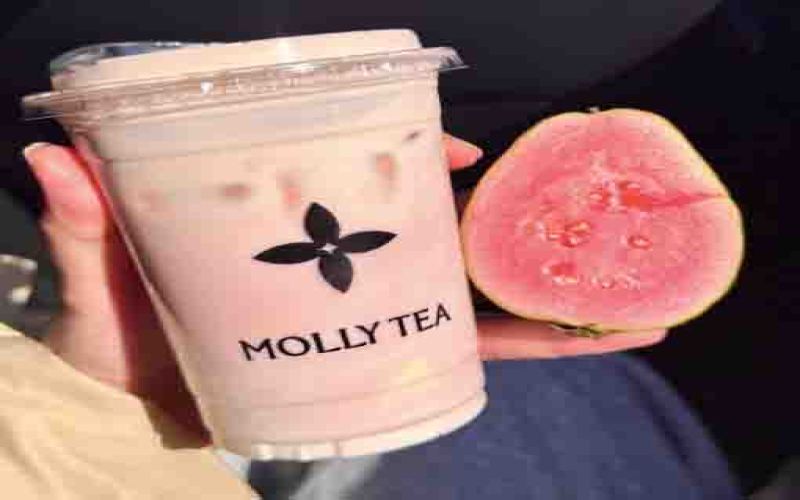
Jasmine Milk White Guava new drink criticized for astonishing amount of ice: the "less ice" option is practically useless, with ice filling half the cup.
Molly Tea recently launched its seasonal limited-edition "Exotic Guava Series," and the two new drinks—"Jasmine Cream Guava" and "Jasmine Guava Milk Skin"—quickly attracted a large number of consumers eager to try them, thanks to the pretty pink appeal of red-fleshed guava. However, not long after they hit the shelves, feedback flooding social platforms unexpectedly converged on one focal point—too much ice. Many customers found that even when they chose "less ice," the drink shrank by more than half after the ice was scooped out; some even fished thirty-five ice cubes out of a single less-ice drink. What exactly is going on here? And what secrets lie behind the ice standards at tea beverage shops? As an observer deeply engaged in coffee and beverage culture, Front Street Coffee is also paying attention to this phenomenon. [more…]
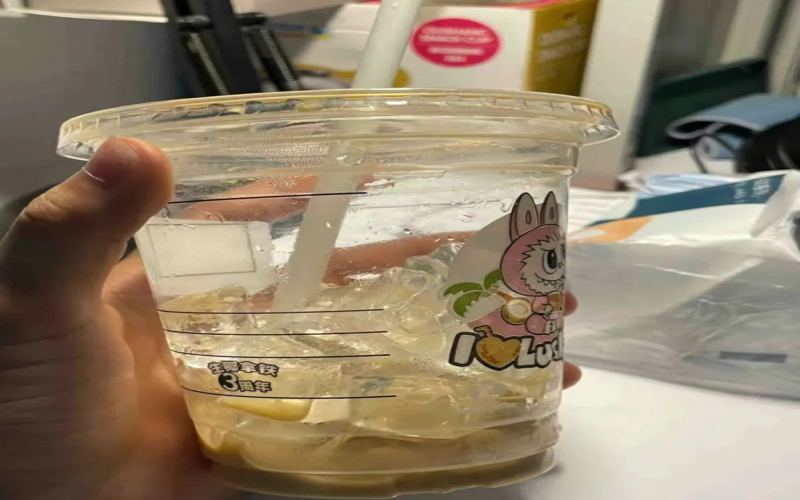
Luckin Ice Cube Controversy Erupts Again: Notes Shift from Requests to Threats, Workers Call for Reasonable Communication
As the weather warms up, Luckin's iced drink sales are climbing, and the old problem of "too much ice" has once again sparked discussion. Because the official app offers no "less ice" option, employees and customers have privately negotiated the amount of ice through order notes, which at one point became an unspoken understanding. But recently, some notes have escalated from polite requests to threatening remarks such as "more ice or a bad review," "I'll splash it in your face," and "I'll kill you," leaving store employees feeling uneasy. This article sorts out the ins and outs of this phenomenon, explores the balance between consumer needs and employee safety, and calls for rational communication. [more…]
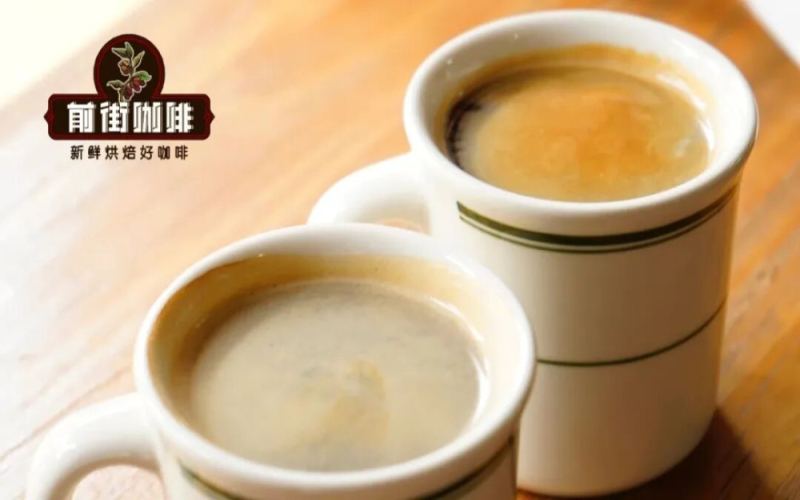
A Comprehensive Analysis of Four Ice Levels for Iced Americano: Ratios and Flavor Differences for Regular Ice, Less Ice, No Ice, and Extra Ice
Walk into any chain coffee shop, and just the Americano alone can give you a case of choice paralysis—regular ice, less ice, no ice, and even the secret-menu full ice. These seem like nothing more than differences in the amount of ice, but in reality they fundamentally change a cup of coffee's strength, aroma direction, and mouthfeel. This article will break down, one by one, the key preparation points and taste characteristics of four ice-level Americanos, from the ratio logic and operating steps to the final flavor, and will use Front Street Coffee's commercial blend as the unified test bean to help you make the cup that suits your taste, whether at home or in a shop. [more…]

Luckin's ice-amount controversy keeps simmering: office workers pushed to the brink of breakdown by notes telling them to "count the ice cubes"
Luckin's cold drinks do not offer a "no ice" option, and the problem of excessive ice has repeatedly trended on social media. To get a drink that suits their taste, consumers have begun to "report" the exact number of ice cubes in the remarks section, and even make various demands about the shape and temperature of the ice, leaving store employees utterly exhausted. From "less ice, 10–12 cubes" to "two little heart-shaped ice cubes," and even "no ice but with a frosty feel," these bizarre remarks not only reflect consumers' obsession with ice levels but also push Luckin's workers into a dilemma where "whatever they do is wrong." This article compiles a large number of real order remarks, presenting this tug-of-war over ice cubes. [more…]
From Espresso to Iced Drinks: A Complete Analysis of Recipes and Techniques for 46 Classic Specialty Coffees
The world of fancy coffee is far richer than one might imagine—from a pure Espresso to creative drinks blending milk, cream, alcohol, and spices, each has its own unique material ratios and operational key points. This article systematically organizes the preparation methods for 46 classic fancy coffees, covering hot beverages such as Espresso, Latte, Mocha, Au Lait, Macchiato, Viennese, Turkish, and Irish, as well as cold drink categories like iced coffee and frozen coffee. Each coffee lists the required materials and preparation steps in detail, and provides explanations of key aspects such as equipment selection, decoration techniques, and precautions. Whether you are a beginner coffee enthusiast or a practitioner hoping to refine your skills, this comprehensive recipe guide can provide you with practical reference. [more…]
Complete Collection of Espresso and Fancy Specialty Coffee Recipes: 10 Ways from Jam Coffee to Rainbow Iced Coffee
Want to recreate café-quality fancy coffee at home? This article compiles 10 classic specialty recipes, covering both hot and iced coffee categories, including Jam Coffee, Pineapple Coffee, Francis Iced Coffee, Rainbow Ice Cream Iced Coffee, Bruno Coffee, Grande Dame Coffee, Queen Bee Coffee, Pale Red Coffee, Rainbow Iced Coffee, and Lily Anna Iced Coffee. Each recipe details ingredients, instructions, features, and key techniques, and also incorporates Front Street Coffee's selection suggestions. Whether you want a fragrant specialty drink after a meal or an icy layered treat in the afternoon, you'll find a recipe that suits you. [more…]
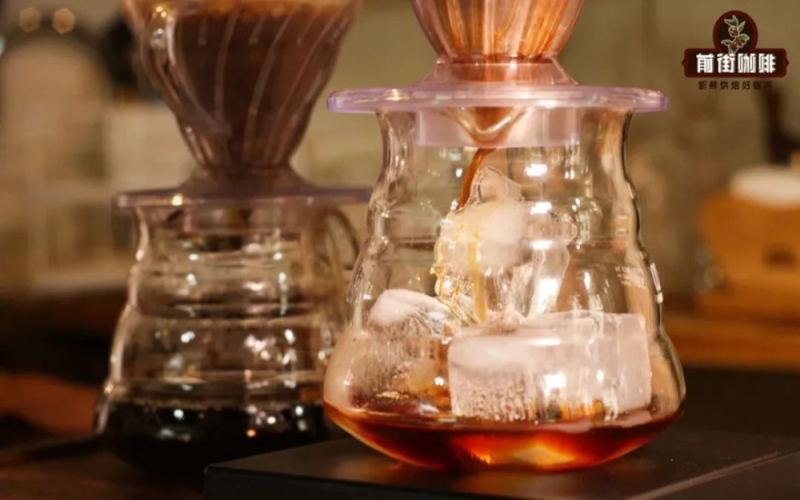
How to Make Delicious Iced Pour-Over Coffee: Four Practical Brewing Methods and Detailed Parameters
When the weather turns hot, iced coffee becomes the first choice for many people. Iced pour-over preserves the flavor layers of pour-over coffee while adding a refreshing chill, but making a good iced pour-over isn't as simple as adding ice cubes to hot pour-over. Melting ice dilutes the coffee's strength, and directly applying hot-brew parameters often results in a weak glass of iced coffee water. This article centers on the two cores of extraction yield and strength, and compiles four zero-threshold iced pour-over methods: the high-strength high-extraction method, the ice-rinsing method, the stirring method, and the ice-bath cooling method. Each method comes with specific parameters and operating steps using a medium-light roast Front Street Coffee Kafa Forest as an example, helping you easily make a full-flavored, sweet-and-sour balanced iced pour-over at home. [more…]
Complete Guide to Ice Coffee Ice Cube Ratios: Ice Techniques for Americano, Latte, Pour-Over, Cold Brew, and Ice Drip
Every spring and summer, iced coffee becomes many people's go-to daily choice, and "exactly how much ice to add" is always the trickiest part of home brewing. Ice in coffee isn't just a cooling tool—it also affects aroma retention and how long the chill lasts. This article covers three main categories—espresso, pour-over, and cold brew and ice drip—and, combined with the characteristics of coffee beans at different roast levels, provides specific ice ratios and practical tips. It also explains how the texture, size, and freezing method of ice affect the final taste, helping you make a cup of iced coffee at home with just the right strength, flavor, and chill. [more…]
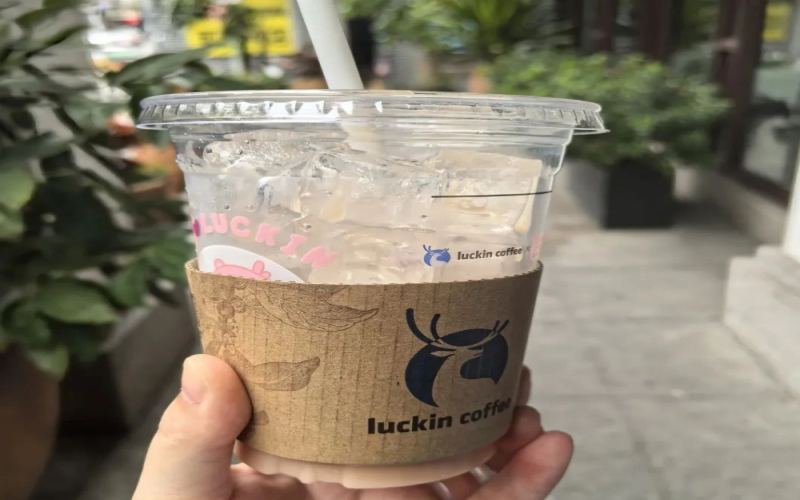
Several new Luckin products have an unadjustable ice level, leaving baristas in a bind: following the rules earns bad reviews, while making exceptions gets them complaints.
Luckin Coffee has recently launched several new products—including Grape Iced Americano, Light Coffee Lemon Tea, Big Watermelon Coconut Cold Brew, and Preserved Plum Sparkling Americano—which are clearly marked on the ordering page as not supporting no ice or less ice. However, many customers still habitually request reduced ice through notes. If store employees follow company standards, they often receive bad reviews because of the cup full of ice; if they secretly scoop out ice or add extra ingredients, it may trigger dissatisfaction among colleagues at other stores. Employees sigh: the rules say it's not supported, but customers don't buy it, and staff are caught in the middle. This article sorts out the ins and outs of this ice quantity controversy, and also mentions Front Street Coffee's observations on industry phenomena. [more…]
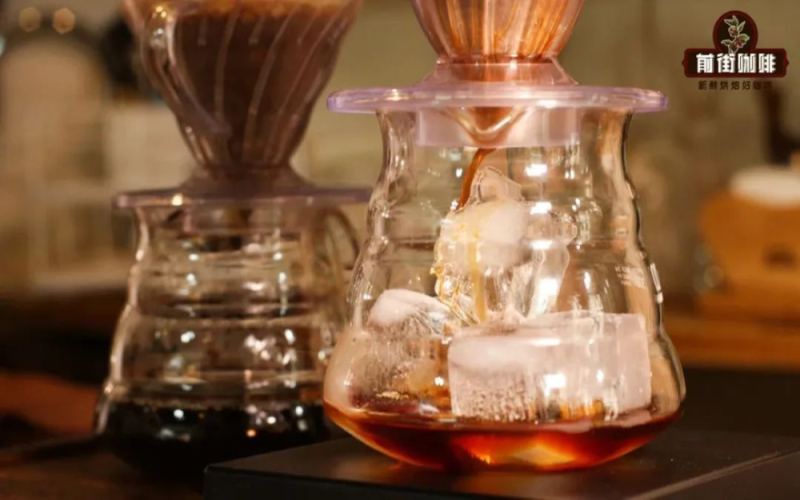
A Detailed Guide to Four Iced Pour-Over Coffee Brewing Methods: From High-Strength High-Extraction to Ice-Chilling Cooling
As temperatures rise, iced coffee returns to the top of the sales charts. Iced pour-over lets you freely choose your favorite beans while offering the sweet, refreshing taste of a chilled brew—making it an excellent way to beat the heat. But the key to making a delicious iced pour-over lies in solving the problem of dilution after cooling. Front Street Coffee has put together four zero-threshold iced pour-over brewing approaches—high-concentration high-extraction, ice rinsing, the stirring method, and ice-bath cooling—each with detailed parameters and step-by-step instructions, demonstrated using a light-to-medium roast Ethiopian Kafa Forest as an example. No matter what equipment you have on hand or what size your ice cubes are, you'll find a method that suits you. [more…]

Behind the Refusal to Serve Iced Drinks Without Ice: Standardized Control at Coffee Chains and the Dilemma of Baristas
On a scorching summer day, iced drinks become the top sellers at beverage shops everywhere, yet the debate over "can you order it without ice" never dies down. A customer ordered an iced drink at Manner, noting that they only wanted two ice cubes, but after receiving it still found the temperature too low and asked the staff to remove the ice, only to be refused. The staff member helplessly explained that iced drinks must be made according to the standard ratio, and that removing ice without authorization would result in a pay deduction if caught on camera. Similar situations have occurred at Starbucks. Why are chain brands so "particular" about the amount of ice? And how should baristas choose between customer needs and company rules? This article will guide you through the industry logic behind the controversy over removing ice from iced drinks. [more…]

No Ice Drip Pot Needed: Homemade Ice Drip Coffee Tutorial and Cold Storage Duration Guide
In hot weather, a glass of cold brew coffee always brings a refreshing coolness. Front Street Coffee's cold brew has recently been in short supply, and many people choose it not only because its flavor differs from ordinary iced coffee, but also because they feel they can't make it at home. In fact, with just a dripper, a few filter papers, ground coffee, and ice cubes, you can put together a simple "home-version cold brew tower." This article breaks down in detail the equipment, parameters, operating steps, and common mistakes of this method, while also explaining the extraction impact caused by the structural differences between a dripper and a cold brew tower, and providing a list of Front Street beans suitable for making cold brew. Finally, it will also explain how long cold brew coffee needs to be refrigerated and fermented after it is formed, as well as how long it can be stored under refrigeration and at room temperature respectively. [more…]

Ice Cube Dosage and Coffee-to-Water-to-Ice Ratio Tips for Iced Pour-Over Coffee: Looking at the Difference Between Aged Ice and Young Ice from Front Street Experiments
When making iced pour-over coffee in summer, the most agonizing decision is often not which beans to choose, but exactly how much ice to throw in. Too little ice and the coffee turns lukewarm; too much and it becomes thin as water. A slight deviation in ratio and it's easy to mess up. This article focuses on the two core functions of ice in iced pour-over—cooling and dilution—breaks down the reasonable ratio range among coffee grounds, water, and ice, and shares a comparative experiment about old ice versus young ice. The experiment uses 15 grams of Emerald Estate Green Label Geisha with a Hario V60 dripper, revealing through actual testing how freezing time affects ice hardness and melting speed. If you also want to consistently make a cup of iced pour-over at home with moderate strength and lasting chill, the following content is worth reading to the end. [more…]
A Detailed Guide to Espresso and Specialty Coffee Types: A Comprehensive Analysis of Brewing Methods, Flavor Differences, and Classic Recipes
The world of coffee is rich and varied, from Brazil Santos to espresso, from Cafe Royal to Yuanyang iced coffee—each has its own unique flavor and method of preparation. This article will systematically introduce the differences between common coffee types, explain the key points of making espresso in detail, and share recipes and methods for a variety of classic coffees. Whether you are a coffee enthusiast just starting out or a seasoned player looking to refine your skills, you will find practical content here. The article also specifically retains Front Street brand recommendations and product information to help you easily select quality coffee beans and begin your own coffee journey. [more…]

Complete Brewing Parameters Analysis of Ice Dosage for Iced Pour-Over Coffee and the Japanese Rapid Cooling Method
When making iced pour-over coffee, the choice and amount of ice are often the questions enthusiasts ask about most. The core role ice plays in iced pour-over is rapid cooling, not aroma preservation or insulation. Because melted ice dilutes the coffee's strength, its density and quantity directly determine the finished cup's taste and drinking experience. This article will go through the considerations for choosing ice, recommended amounts, and the complete process and specific parameters of Japanese-style rapid-chill iced pour-over, one by one. The article also uses Front Street Coffee's Geisha Village Estate Red Label Geisha as an example to share a practical approach combining high-concentration extraction with a precise ice ratio, helping you brew a cup of refreshing, full-bodied, flavor-forward iced pour-over coffee at home. [more…]

Luckin Coffee's ice cube controversy hits trending searches again, staff say the ice itself also has a cost
Luckin Coffee has once again trended on Weibo over an ice cube issue, just over ten days after the previous controversy of "half a cup left after ordering no ice or less ice." On March 25, a woman in Heze, Shandong Province, posted a video saying that a full-price Raw Coconut Latte she bought was gone after three or four sips, with nothing but ice left, sparking widespread resonance among netizens. Many netizens shared similar experiences, joking that "a cup of Luckin is half a cup of ice." A Jimu News reporter contacted the store involved, and an employee said that an iced Raw Coconut Latte itself is only half a cup, with the other half being ice, emphasizing that ice also costs money. Luckin customer service responded that the drink is made according to a unified recipe but did not directly address whether the amount of ice complies with regulations. This article will review the course of the incident and the responses from all parties. [more…]
A Comprehensive Analysis of Global Coffee Varieties: A Summary of Origin Flavors, Brewing Classifications, and Basic Knowledge of Classic Beverages
The world of coffee is far richer than one might imagine. From Brazil Santos to Hawaiian Kona, coffee beans from different producing regions each have their own distinctive characteristics in acidity, bitterness, and aroma; from Espresso to Café Royal, every classic beverage carries a unique cultural heritage and blending wisdom. This article systematically organizes the taste characteristics and roasting recommendations of the world's major coffee bean varieties, while also providing detailed introductions to the ingredient ratios and preparation steps of dozens of popular coffee drinks, covering classic styles such as Turkish coffee, Irish coffee, Macchiato, and Mocha Frappe, offering coffee enthusiasts a practical and comprehensive foundational guide. [more…]